
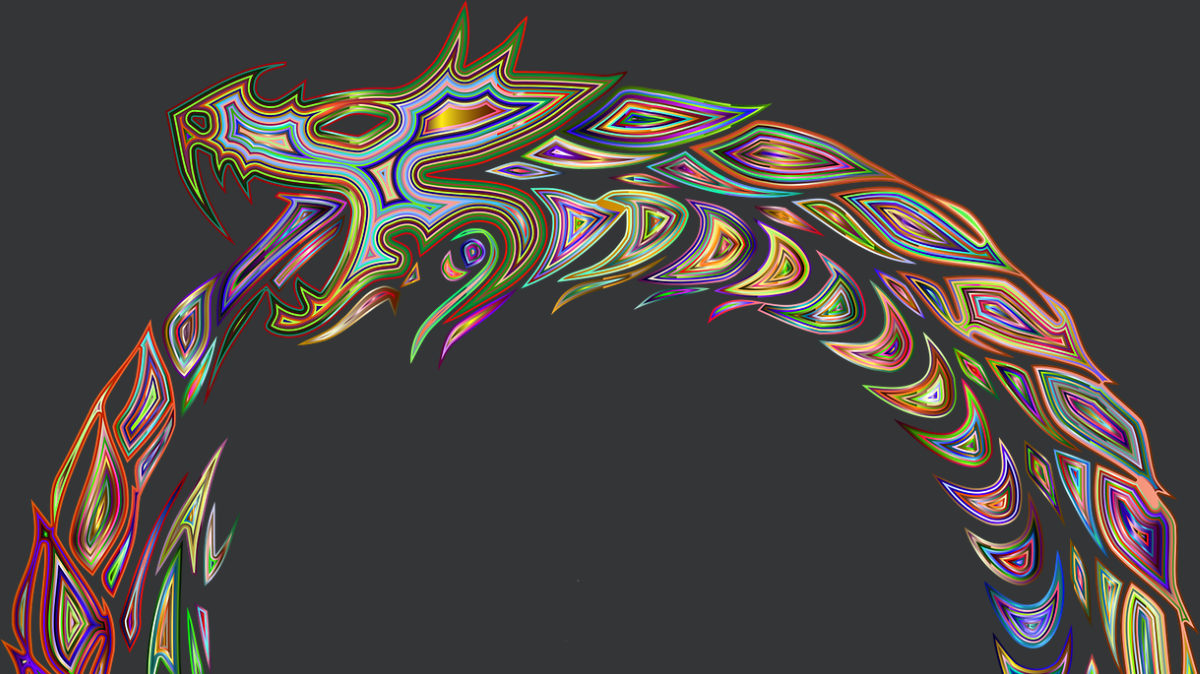
Have you ever seen a depiction of an ouroboros? It is an image of a dragon eating its own tail. On one hand, it can be a symbol of the cycle of life or self renewal, but it’s also widely used to represent self-consuming systems where something sustains itself by devouring itself. This is what the current AI boom, including in the waste reduction world, reminds me of: an emerging system that is allowed to be destructive in the name of creation.
This past week I had the opportunity to see friends and colleagues at the ARWMAS regional roundup event in Saskatoon. Seeing people in person is by far my preference to the now ubiquitous emails and video meetings that dominate my work life. But while we were all there together in person, the material we were learning about was making it abundantly clear that technology and human invention seems to require a never-ending clean-up behind it.
The day started off with an excellent presentation by Bob Halliday, a retired consulting engineer and current board member of the Saskatchewan Environmental Society. He reviewed a critique of the province of Saskatchewan’s energy plan. He agreed that AI Data centers were a new draw being placed on Saskatchewan’s energy production system. The trouble is that these centers will be up and running long before Saskatchewan has built the capacity to provide non-coal derived electricity. So, while southern Saskatchewan has been victim to an increasing amount of climate change related storms, they are actively allowing a brand new GHG polluter to set up shop there to make the problem worse.
We all nodded and agreed. How terrible.
This was followed by an update from North Central Waste Region on their new website. It includes a new AI powered search feature.
Everyone tried it out. So cool!
This was followed by presentations from the provincial electronics recycling and hazardous waste programs. Both of which are doing great things to keep toxic items out of our landfills and environment, both funded by environmental fees from still producing and buying more electronic and hazardous waste.
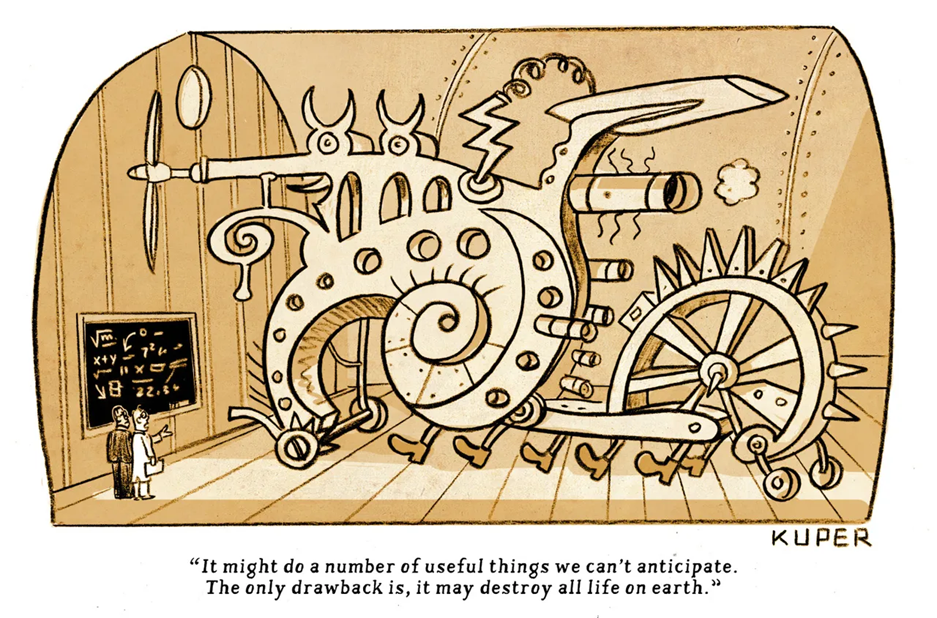
As people, we allow our law makers to let business (AI, electronics, hazardous waste) to run forward with far fewer ethical and environmental guardrails than are actually required for human longevity. The AI boom really does feel a bit wild west-esque right now and stands to change the world us north Americans live in as much or more than the internet or smart phones.
The trouble with people is that we often don’t see the unintended consequences of our imaginative creations until they’ve already done an immense, if not irreparable, amount of harm.
So where does the SWRC sit with the whole new AI landscape?
Well, we’re engaging with it cautiously. It has had real effects on reducing our website traffic and Waste Reduction Hub use, now that the public is searching for information using a different tool than before. We are looking at ways to make ourselves visible to AI, without becoming too dependant on it.
And we will keep advocating for our Saskatchewan communities and our environment. Because if we eat our tail faster than we can grow it, we’re going to be out of dragon pretty soon. If we can do AI in an environmentally responsible way, that makes life better, we’re all for it. But the race must have moderators, and we’re happy to join in that work.
