
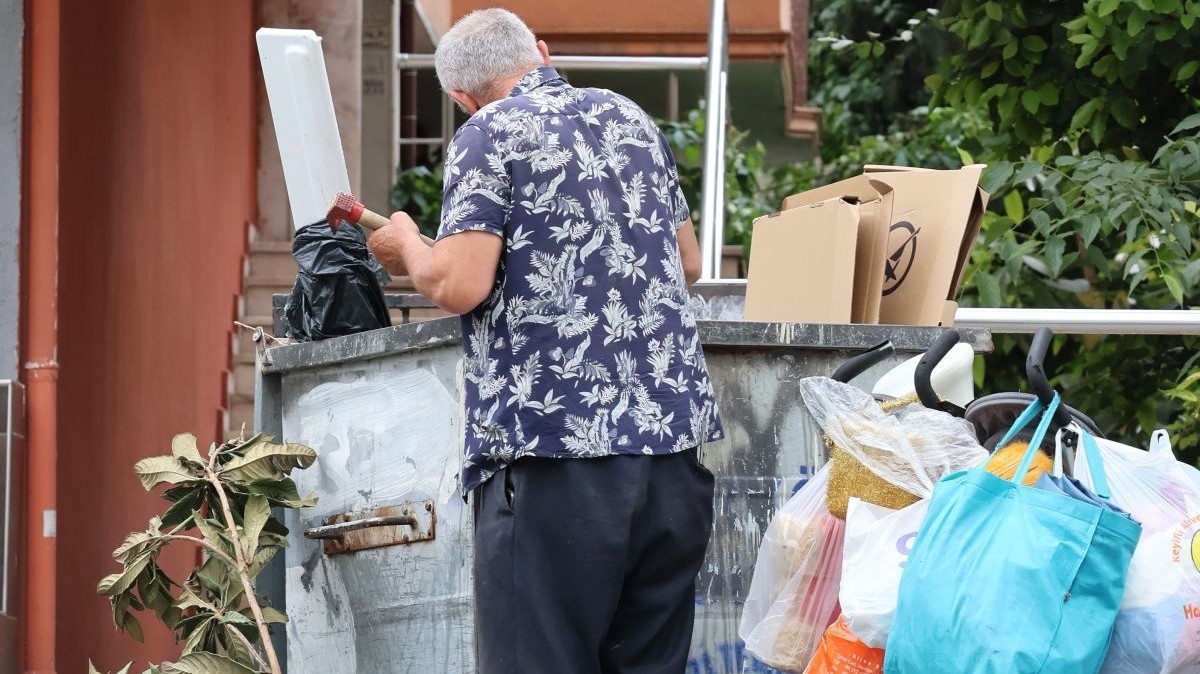
Let me tell you a story…
Actually, waste will do a lot of the talking.
Look in a black garbage bag and someone’s world opens like a scrapbook. We estimate our waste based on who we wish to be. The bins and recycling statistics don’t lie and show we buy way more clothes, drink more beer and waste more veggies than we think[i]. I wish I made only a jar of waste per year like some… but I’m not there yet.
I am keenly aware that the things I love to do still create waste. I do art installations at festivals, make recycled tile mosaics, go on hiking trips and run my kid to activities where we eat fast food. I love to dance and host parties with decorations and costumes. I walk my dog in Regina every day (hello poop bags). But I am also a thrifty waste nerd who constantly looks for little choices and systems that can make it better. I am not afraid to look my garbage bin in the face. Does it have a name? Ha! Not yet, but I like the idea of befriending my enemy like that.
Saskatchewan residents produce about 320kg per person which is the second highest in amount in Canada[ii]. While this is hard to hear, if we don’t measure it, we won’t change. The good news is, Canadians are composting more kitchen and yard waste than ever, with over 85% of us participating, we continue to divert more total waste each year. Most of us are also reusing grocery bags (98%), food containers (94%) and refilling household products (57%) more often[iii]. We are changing our habits bit by bit and seeing this gives me hope.
Trash is a key forensic tool and once you see it, you become a social detective. In the curb, you see pieces of your neighbor’s hobbies, habits and favorite snacks. The thrift store or online marketplace teaches you about your community’s interests and needs. Being in a friend’s home, I love to see it a bit messy because the items there tell me about what’s going on in their lives. Also, then I worry less about them seeing my lived-in house. Our stories are told by the many items we use, reuse, discard or even what we refuse.
As an Engineer, I have studied many environmental systems and one day I had an epiphany: that our environmental problems are waste problems! Whether it be to air, land or water, if we can eliminate waste we win! Think about greenhouse gases, effluent, manufacturing waste, solid waste… It is simple to say this but also, I think people need something to rally around, a lens to guide us.
For me, it has been helpful both professionally and personally. When we waste less, we often save money and energy and create a system that is good for the environment too. In my work developing waste stewardship programs and designing waste and resource systems, efficiency is essential.
Our waste tells a story, from massive tailings piles to litter at the curb. I hope to share tips, facts and my hopeful take on it with you, as I write the Less is More blog over the next year. Maybe we’ll discover unique approaches together as a community or a name for my garbage bin! One thing I am sure of is that we will learn about ourselves within the big picture of Saskatchewan along the way.
Claire Amundsen, P. Eng.
[i] William Rathje and Cullen Murphy (1992) Rubbish – The Archeology of Waste
[ii] Statistics Canada (2026) Overall, more trash is at Canadian curbs – but what parts of the country are tossing out less? Retrieved from: https://www.statcan.gc.ca/o1/en/plus/9278-overall-more-trash-canadian-curbs-what-parts-country-are-tossing-out-less
[iii] Statistics Canada (2026) Cleaner commutes and less waste: How Canadian households are helping the environment. Retrieved from: https://www.statcan.gc.ca/o1/en/plus/9187-cleaner-commutes-and-less-waste-how-canadian-households-are-helping-environment
